
Are Shortening and Margarine Halal? The Share of Pork Fat in Their Raw Materials and Three Ways Fats Are Listed
Category: For visitors
For shortening and margarine, check which oils and fats are used
Shortening (ショートニング) and margarine (マーガリン) are fats used in bread, baked sweets, fried foods, and other products. Although they are not meat products, some people wonder whether shortening is halal or margarine is acceptable to eat. This is because fats from pigs or cattle may be used as raw materials.
The Japanese Agricultural Standards (JAS) for shortening and margarine products both specify “edible oils and fats” (食用油脂) as raw materials, without limiting them to vegetable oils. The Japan Tourism Agency’s “Hospitality Guide for Vegetarian, Vegan, and Muslim Travelers” also lists shortening alongside emulsifiers (乳化剤), gelatin (ゼラチン), and collagen (コラーゲン) as examples of pork-derived ingredients in seasonings, additives, and similar items. However, industry association statistics show that vegetable oils make up most of the raw materials for shortening and margarine produced in Japan.
Using information published by public bodies, industry associations, manufacturers, and certification bodies, this article covers the origins of shortening and margarine, how much animal fat is used, household product ingredient lists, wording such as “refined and processed edible oils and fats” (食用精製加工油脂) and “processed oils and fats” (加工油脂), how they appear on bread and confectionery labels, views from certification and inspection bodies, and questions to ask manufacturers. For reading bread ingredient lists as a whole, see Is Bread Halal? What to Check in Shortening, Margarine, and Western Liquor.
What people avoid, and how far they check, varies. This article provides information for making a decision rather than deciding whether you may eat something. Product names are examples for explaining labels; they do not mean those products contain animal fat. We checked all the sources on October 29, 2026.
Shortening began as a lard substitute; margarine began with beef fat
Both shortening and margarine originated as substitutes for other fats.
According to Nihon Magarin Kogyokai (Japan’s margarine industry association), shortening originated in the United States in the late 19th century as a lard substitute and was also called lard compound. Its name comes from the English word “shorten,” referring to the tender, crumbly texture it gives bread and biscuits. It contains no water or milk ingredients, is almost 100% fat, and has very little aroma.
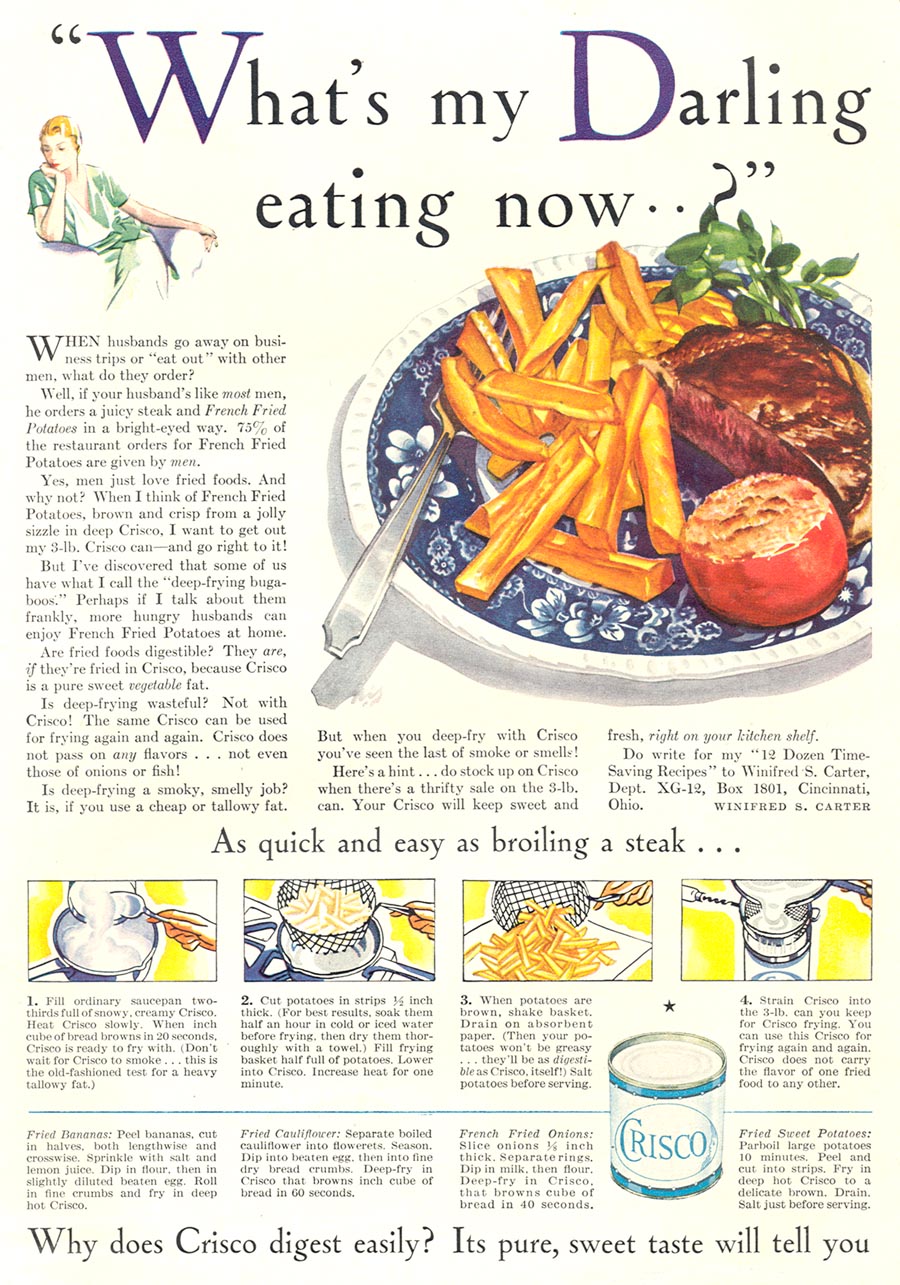
The JAS for shortening defines it as a solid or fluid product made from edible oils and fats, with working properties such as plasticity and emulsifying ability. This definition excludes refined lard. The same association explains that lard is generally pig back fat. Refined lard includes “pure lard” (純製ラード), made entirely from pork fat, and “blended lard” (調製ラード), mainly pork fat mixed with beef fat, palm oil, or similar fats.
On margarine’s origins, the association explains that Napoleon III sought a butter substitute in 1869. The selected chemist’s idea was to mix high-quality beef fat with milk and other ingredients, then cool it until solid. This was the forerunner of modern margarine.
The JAS for margarine products defines margarine as a product made by adding water and other ingredients to edible oils and fats, emulsifying them, then rapidly cooling and kneading the mixture or using similar processes, with a fat content of at least 80%. Products below 80% are fat spreads. The raw oils and fats must contain no milk fat or must not have milk fat as their main ingredient. This distinguishes these products from butter.
Vegetable oils make up 97% of shortening’s raw materials; the rest includes pork and beef fat
The association’s “Quantities of Raw Materials Used for Processed Edible Oils and Fats” shows how much animal fat is used. The table totals raw oils and fats used by member companies from January through June 2026, measured by the weight of refined oils and fats.
Shortening raw materials totaled 89,000 metric tons, of which animal oils and fats accounted for 2,300 metric tons, or 2.6%. Vegetable oils and fats totaled 86,682 metric tons, or 97.4%. Among animal oils and fats not processed by hydrogenation or similar methods, pork fat accounted for 1,253 metric tons (1,164 domestically produced and 89 imported), and beef fat for 559 metric tons.
For margarine, animal oils and fats accounted for 5,303 of the total 57,068 metric tons, or 9.3%. For commercial-use margarine alone, the share was 9.6%, with 3,591 metric tons of unprocessed pork fat and 482 metric tons of unprocessed beef fat used.
| Product (January–June 2026) | Total raw materials (metric tons) | Of which animal oils and fats (metric tons) | Share of animal oils and fats |
|---|---|---|---|
| Shortening | 89,000 | 2,300 | 2.6% |
| Margarine (household, school meal, and commercial use) | 57,068 | 5,303 | 9.3% |
| Household margarine products | 9,428 | 2 | 0.0% |
| Refined lard | 11,381 | 8,763 | 77.0% |
| Refined and processed edible oils and fats | 23,082 | 1,004 | 4.3% |
The association’s explanation of margarine also says fish oil, domestically produced pork fat, beef fat, and other animal oils and fats are used.
These statistics show both that vegetable oils make up most of the raw materials for shortening and margarine and that pork fat is also used, mainly for commercial products. However, the table covers member companies only. It excludes nonmember companies and imported shortening and margarine. It also does not show which products contain pork fat.
By production volume, most shortening and margarine is for commercial use. According to the association’s “Overview of Production of Processed Edible Oils and Fats (2025),” production in 2025 was 185,329 metric tons of shortening and 138,164 metric tons of commercial-use margarine, compared with 4,801 metric tons of household margarine and 23,987 metric tons of household fat spreads. The same overview identifies bread and confectionery making as the main source of demand for shortening. This is why, alongside household products, we also cover wording on bread and confectionery ingredient lists.
Household margarine products mainly use “edible vegetable oils and fats”; some contain gelatin
First, household margarine products. In the earlier table, animal oils and fats accounted for 2 of the 9,428 metric tons of raw materials for these products.
Asked which edible vegetable oils and fats it uses in margarine products, Megmilk Snow Brand’s FAQ says it uses two to four types, mainly soybean, corn, rapeseed, and palm oils. It adds that household margarine products use edible vegetable oils and fats, so their fats are mostly plant-based.
The product page for its “Neo Soft” (ネオソフト) lists “edible vegetable oils and fats (manufactured in Japan), refined and processed edible oils and fats, salt, milk powder / emulsifier, flavoring, color (carotene), (contains milk and soybeans)” (食用植物油脂(国内製造)、食用精製加工油脂、食塩、粉乳/乳化剤、香料、着色料(カロテン)、(一部に乳成分・大豆を含む)). The product is labeled a fat spread (ファットスプレッド), with a fat content of 66%.
Ingredients vary even within the same series. “Neo Soft Half” (ネオソフト ハーフ) lists “edible vegetable oils and fats (rapeseed oil (manufactured in Japan), corn oil, soybean oil), refined and processed edible oils and fats, gelatin, salt / emulsifier, flavoring, antioxidants (V.C, V.E), color (carotene), (contains milk, soybeans, and gelatin)” (食用植物油脂(なたね油(国内製造)、コーン油、大豆油)、食用精製加工油脂、ゼラチン、食塩/乳化剤、香料、酸化防止剤(V.C、V.E)、着色料(カロテン)、(一部に乳成分・大豆・ゼラチンを含む)). It contains gelatin, as does “Neo Soft Benibana” (ネオソフト べに花). Both are fat spreads with a fat content of 39%.
Focusing only on oil types can mean overlooking gelatin. We discuss whether the word “gelatin” (ゼラチン) on an ingredient list reveals the animal it comes from in Are Emulsifiers and Gelatin Halal? What the “Origin” (由来) Wording on Ingredient Lists Tells You. Neo Soft Half also lists gelatin at the end, in “contains milk, soybeans, and gelatin” ((一部に乳成分・大豆・ゼラチンを含む)).
“Refined and processed edible oils and fats” and “processed oils and fats” do not reveal plant or animal origin by name alone
Wording for oils and fats on ingredient lists falls into three broad types.
The first clearly identifies vegetable oils, such as “edible vegetable oils and fats” (食用植物油脂), “soybean oil” (大豆油), or “rapeseed oil” (なたね油). The Food Labeling Standards define edible vegetable oils and fats as oils extracted from plant seeds, pulp, or similar parts and treated to make them suitable for eating.
The second is “refined and processed edible oils and fats” (食用精製加工油脂), also listed in Neo Soft’s ingredients. An explanation by a researcher at Tsukishima Foods Industry, which develops shortening, divides edible oils and fats into vegetable, animal, and refined and processed types. It describes the last group as oils and fats made by processing vegetable or animal oils and fats: hydrogenated, interesterified, or fractionated oils and fats. With neither “plant” nor “animal” in the name, the wording alone does not reveal the raw oil or fat. In the earlier statistics, animal oils and fats also made up 4.3% of raw materials for this group.
The third uses grouped terms such as “processed oils and fats” (加工油脂), “vegetable oils and fats” (植物油脂), or “animal oils and fats” (動物油脂). Under the Food Labeling Standards, edible oils and fats in bread, confectionery, and similar products may be listed using these names. “Vegetable oils and fats” or “animal oils and fats” identifies the type of raw material, but “processed oils and fats” does not.
Even labels on commercial shortening bags may not reveal the raw material. The shortening JAS specifies ingredient names such as “soybean oil” (大豆油), “pork fat” (豚脂), or “hydrogenated oil” (硬化油). However, it also allows animal fats such as pork fat to be called “edible animal oils and fats” (食用動物油脂), and hydrogenated oils and similar fats to be called “refined and processed edible oils and fats” (食用精製加工油脂). Even “edible animal oils and fats” does not tell you whether it is pork or beef.
| Wording on the ingredient list | What it tells you about the raw oils and fats |
|---|---|
| Edible vegetable oils and fats (食用植物油脂), vegetable oils and fats (植物油脂), soybean oil (大豆油), rapeseed oil (なたね油), palm oil (パーム油), and similar terms | Plant oils |
| Edible animal oils and fats (食用動物油脂), animal oils and fats (動物油脂) | Animal fats; the label may not specify pork, beef, or fish |
| Refined and processed edible oils and fats (食用精製加工油脂), processed oils and fats (加工油脂) | Does not reveal plant or animal origin |
| Pork fat (豚脂), lard (ラード) | Fat from pigs |
Bread and confectionery labels may not list what is in shortening
When bread or confectionery ingredient lists say “shortening” (ショートニング) or “margarine” (マーガリン), reading them becomes a step more difficult.
The Food Labeling Standards call an ingredient made from two or more ingredients a “compound ingredient” (複合原材料). Margarine, made from oils and fats, water, salt, and other ingredients, is one example. As a rule, its contents appear in parentheses after its name, as in “margarine (edible vegetable oils and fats, salt…)” (マーガリン(食用植物油脂、食塩…)). However, the contents may be omitted if the compound ingredient accounts for less than 5% of the product’s ingredients by weight, or if its ingredients are clear from its name.
This is why a bread bag may say only “margarine” (マーガリン). In that case, the label does not reveal whether its oil is vegetable-based or includes pork fat. If the parentheses list only “edible vegetable oils and fats” (食用植物油脂), you can identify plant oils. If they include “processed oils and fats” (加工油脂) or “refined and processed edible oils and fats” (食用精製加工油脂), you cannot tell more, for the reasons above.
Shortening is made almost entirely of oils and fats. If the ingredient list says only “shortening” (ショートニング), it does not reveal plant or animal origin. Our bread article explains, using baking companies’ FAQs, that pork allergy labeling is not mandatory and that refined oils and fats may not carry an allergy declaration.
Shortening and margarine may also contain additives. The Tsukishima Foods Industry explanation lists emulsifiers and antioxidants such as vitamin E as additives used in shortening. The household margarine examples also listed emulsifiers, flavorings, and colors. The Japan Tourism Agency guide mentioned at the start lists emulsifiers as possible pork-derived ingredients too. How far to check varies by person, but examining the fats and emulsifiers separately can reduce oversights. For reading ingredient lists as a whole, see How to Spot Pork and Alcohol on Ingredient Lists, and What the Label Alone Can’t Tell You.
Views from certification and inspection bodies, and questions for manufacturers
Halal certification and inspection bodies treat shortening and margarine as ingredients that need checking.
In an article on biscuits’ halal concerns dated December 18, 2018, the Indonesian halal inspection body LPH LPPOM calls shortening doubtful (syubhat), because it can be made from animal fats, vegetable oils, or a mixture of both. It says margarine mainly uses vegetable oils, but stabilizers, colors, and flavorings added during production need checking for halal status.
The Japan Tourism Agency guide’s FAQ asks whether pork-derived products such as lard are a concern even when pork itself is not used. It answers that pork-derived products and seasonings must also be excluded, listing emulsifiers, shortening, lard, and gelatin. Although statistics show shortening’s raw materials are mostly vegetable oils, guidance for those serving food treats it as a possible pork-derived ingredient.
The “Guidelines for Serving Muslim Customers at Restaurants” (2017 edition), published by the Japan Halal Association (JHA), require that ingredients and additives in processed products without halal certification contain no animal-derived substances, except from aquatic animals. Under this standard, shortening and margarine made with beef fat as well as pork fat cannot be used.
Using halal-certified shortening or margarine is another option. The Japan Halal Foundation (JHF) lists “margarine, shortening, and vegetable oils” among its product certification categories, alongside dairy products, chocolate, and other products. We explain how to read halal certification logos in What Is a Halal Logo? How to Read Logos That Differ by Organization, and How to Check That One Is Genuine.
To learn more about an uncertified product, you can contact the manufacturer’s customer service. Giving the product name and specific questions helps them find the information.
Are the oils and fats in this product’s shortening (ショートニング) or margarine (マーガリン) all vegetable-based? Do they include animal fats such as pork fat (豚脂) or beef fat (牛脂)? (この商品に使っているショートニング(マーガリン)の油は、植物油だけですか。豚脂や牛脂などの動物の脂を含みますか。)
Which oils and fats are used to make the “refined and processed edible oils and fats” (食用精製加工油脂) or “processed oils and fats” (加工油脂) on the ingredient list? (原材料名の「食用精製加工油脂」(「加工油脂」)は、何の油から作ったものですか。)
What are the emulsifiers (乳化剤) and gelatin (ゼラチン) made from? (乳化剤やゼラチンは、何から作られたものですか。)
Some foods have no ingredient list you can read, such as bread and sweets baked on site or fried foods. At a shop or restaurant, ask whether staff can tell you the product name or manufacturer of the shortening or margarine they use. With the product name, you can also contact the manufacturer. We give examples of how to ask in “Is It Halal?” Is Not Enough: How to Ask When Checking at a Restaurant. For an overview of other things to watch for besides pork and alcohol, see A List of Foods That Are Not Halal: Pork, Alcohol, and Easy-to-Miss Items in Japanese Food.
Quotes from Japanese sources in this article are our own translations.
Sources
Primary sources
- Ministry of Agriculture, Forestry and Fisheries (MAFF), “Japanese Agricultural Standard for Shortening” (ショートニングの日本農林規格) (in Japanese), JAS 0989 (established on August 1, 1991; amended on October 18, 2024) (3.1: definition of shortening; 5.2: labeling methods), checked on October 29, 2026
https://www.maff.go.jp/j/jas/jas_standard/attach/pdf/index-372.pdf - Ministry of Agriculture, Forestry and Fisheries (MAFF), “Japanese Agricultural Standard for Margarine Products” (マーガリン類の日本農林規格) (in Japanese), JAS 0932 (established on June 22, 1985; amended on October 18, 2024) (3: terms and definitions), checked on October 29, 2026
https://www.maff.go.jp/j/jas/jas_standard/attach/pdf/index-367.pdf - Food Labeling Standards (食品表示基準) (in Japanese), Cabinet Office Order No. 10 of 2015, as amended effective October 1, 2026 (Article 3, paragraph 1, table, “Ingredient names,” 1(ii) and 3; Appended Table 3: edible vegetable oils and fats and margarine products), e-Gov Law Search, checked on October 29, 2026
https://laws.e-gov.go.jp/law/427M60000002010 - Japan Tourism Agency (counselor in charge of receiving foreign visitors), “Hospitality Guide for Vegetarian, Vegan, and Muslim Travelers” (ベジタリアン・ヴィーガン/ムスリム旅行者おもてなしガイド) (in Japanese), April 2024 (p. 25: Islamic teachings on food; p. 36: Q&A), checked on October 29, 2026
https://www.mlit.go.jp/kankocho/content/001740443.pdf - Nihon Magarin Kogyokai, “Quantities of Raw Materials Used for Processed Edible Oils and Fats (Refined Oil Basis, January–June 2026)” (食用加工油脂原料使用数量(精製油ベース 令和8年1月~6月)) (in Japanese), July 31, 2026, checked on October 29, 2026
https://j-margarine.com/wordpress/wp-content/uploads/2026/07/materials_r8_01-06.pdf - Nihon Magarin Kogyokai, “Overview of Production of Processed Edible Oils and Fats (2025)” (食用加工油脂生産量(2025年)の概要について) (in Japanese), published on March 17, 2026, checked on October 29, 2026
https://j-margarine.com/wordpress/wp-content/uploads/2026/03/oil-summary_2025.pdf - Nihon Magarin Kogyokai, “What Is Shortening?” (ショートニングってなに) (in Japanese), checked on October 29, 2026
https://j-margarine.com/kiso2/short/ - Nihon Magarin Kogyokai, “What Is Lard?” (ラードってなに) (in Japanese), checked on October 29, 2026
https://j-margarine.com/kiso2/lard/ - Nihon Magarin Kogyokai, “What Is Margarine?” (マーガリンってなに) (in Japanese), checked on October 29, 2026
https://j-margarine.com/kiso/what/ - Megmilk Snow Brand, Frequently Asked Questions, “Which Edible Vegetable Oils and Fats Are Used as Raw Materials in Margarine Products?” (マーガリン類の原材料に使っている食用植物油脂は、何の油ですか?) (in Japanese), checked on October 29, 2026
https://www.meg-snow.com/customer/faq/detail/66/ - Megmilk Snow Brand, “Neo Soft” (ネオソフト), product information (ingredient list) (in Japanese), checked on October 29, 2026
https://www.meg-snow.com/products/detail.php?p=neosoft - Megmilk Snow Brand, “Neo Soft Half” (ネオソフト ハーフ), product information (ingredient list) (in Japanese), checked on October 29, 2026
https://www.meg-snow.com/products/detail.php?p=neosoft_half - Megmilk Snow Brand, “Neo Soft Benibana” (ネオソフト べに花), product information (ingredient list) (in Japanese), checked on October 29, 2026
https://www.meg-snow.com/products/detail.php?p=neosoft_beni - Tsukishima Foods Industry, “What Is Shortening? A Manufacturer’s Researcher Explains Its Effects on the Body and Uses” (ショートニングとは?体への影響・用途をメーカー研究員が解説) (in Japanese) (4: what are shortening’s raw materials?), checked on October 29, 2026
https://www.tsukishima.co.jp/media/what-is-shortening - Japan Halal Association (JHA), “Guidelines for Serving Muslim Customers at Restaurants” (飲食店におけるムスリム対応ガイドライン) (in Japanese), Ver.20171207 (1.1.6.2: products without halal certification), checked on October 29, 2026
https://jhalal.com/wp-content/uploads/Guideline4Restaurant20171207.pdf - Japan Halal Foundation (JHF), “About JHF’s Halal Certification” (JHFのハラール認証について) (in Japanese) (product categories), checked on October 29, 2026
https://japanhalal.or.jp/certifcation/ - LPH LPPOM, “Yuk, Cermati Titik Kritis Haram Biskuit” (in Indonesian), December 18, 2018, checked on October 29, 2026
https://halalmui.org/yuk-cermati-titik-kritis-haram-biskuit/
Related articles
RELATED
For visitors
Is Conveyor-Belt Sushi Halal? Pork-Containing Products and Sushi Rice, Based on Official Information from Kura Sushi, Sushiro, Hama Sushi, and Kappa Sushi
For visitors
Is Cheese Halal? Four Types of Rennet (Milk-Clotting Enzyme), and Why It Is Not Listed as an Ingredient

For visitors
What Is Halal Food? Three Requirements, Dishes by Country, and Five Changes to Japanese Cooking

For visitors